
Biotechnology
Explore how biological systems and organisms are used in research, healthcare, agriculture, industrial processes and environmental applications. Curricula may combine biology, chemistry, genetics, laboratory methods and data analysis.
Explore biology, biotechnology, microbiology, molecular biology and related programmes. Compare subject focus, academic prerequisites, laboratory preparation, language requirements and application steps before shortlisting a course.
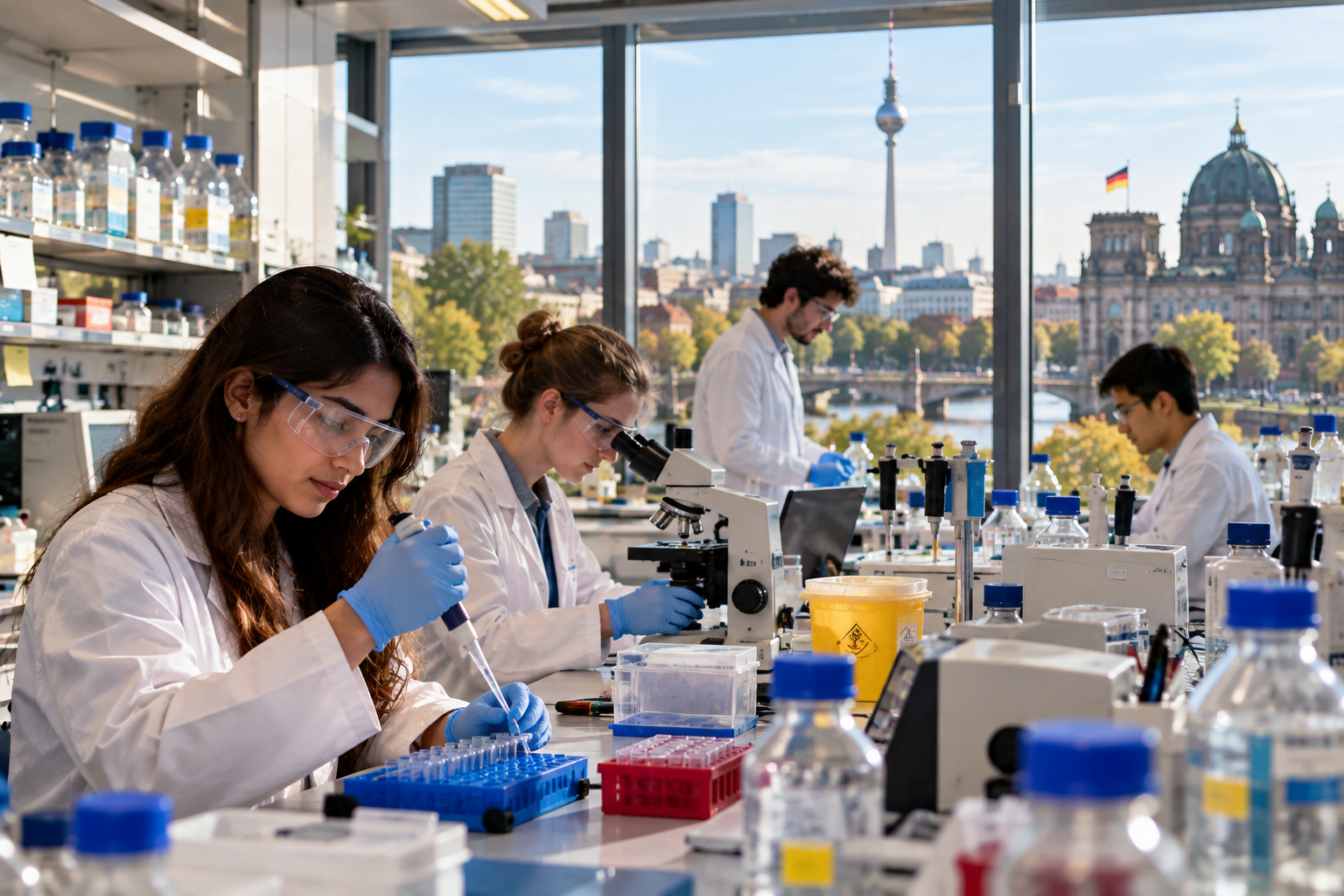
Life sciences investigate living organisms and biological processes, from molecules and cells to ecosystems. Biotechnology applies biological knowledge and techniques to develop or improve products, processes and research methods.
These areas overlap, but they are not identical. Life sciences is a broad umbrella that can include biology, microbiology, genetics, ecology, biochemistry and biomedical research. Biotechnology often focuses on applying biological systems in fields such as healthcare research, pharmaceuticals, food production, agriculture, industrial processes and environmental applications.
Programmes can be theoretical, laboratory-intensive, research-oriented or professionally applied. Read the curriculum and module handbook rather than relying on the programme title alone. Check the balance of lectures, laboratory practicals, fieldwork, data analysis, research projects and thesis work.
For international applicants, academic fit matters. A programme may require particular school subjects for a bachelor's degree or a relevant previous degree and specified subject credits for a master's. Laboratory experience, internships, language evidence or additional documents may also be requested, depending on the institution.
Use these categories as a starting point. Exact programme names, course content and entry criteria vary across universities.
Explore how biological systems and organisms are used in research, healthcare, agriculture, industrial processes and environmental applications. Curricula may combine biology, chemistry, genetics, laboratory methods and data analysis.
Study microorganisms and their roles in health, ecosystems, food, industry and research. Check whether a programme emphasises clinical, environmental, industrial or general microbiology and which laboratory skills it teaches.
Focus on cells, genes, proteins and the molecular processes behind living systems. Entry requirements may include biology, chemistry, laboratory experience or specified credits in related subjects.
Combine biology and chemistry to investigate the chemical processes of living organisms. Review the amount of chemistry, quantitative work and practical laboratory training in each curriculum.
Study biological processes relevant to human health and disease. These programmes are not automatically equivalent to medicine or a qualification to practise a regulated health profession.
Consider ecology, environmental biotechnology, plant sciences, food science or related applied fields. Compare fieldwork, laboratory components, research projects and the programme's specialist focus.
| Factor | Questions to ask | Why it matters |
|---|---|---|
| Academic prerequisites | Which subjects, grades or credit points are required? | Eligibility can depend on the precise content of previous study. |
| Laboratory learning | How much practical work is included? Is prior experience required? | Hands-on expectations differ by course and degree level. |
| Language | What is the language of instruction and which certificates are accepted? | Requirements can vary between programmes and sometimes between modules. |
| Research focus | Which laboratories, research groups or project areas are available? | Specialisations can shape the learning experience and thesis options. |
| Costs and location | What are the current fees, semester contributions and living costs? | Budget and location affect the practical feasibility of a study plan. |
| Application route | What portal, deadline and supporting documents apply? | Following the correct procedure helps avoid preventable application errors. |
Prepare early, then use the official programme checklist as the final authority for the documents you must submit.
Check whether the programme charges tuition, what semester contributions apply and whether additional laboratory or administrative costs are listed. Plan for accommodation, food, transport, insurance, study materials and the financial evidence needed for your circumstances.
Some programmes are taught in English and others in German. Verify accepted certificates, minimum scores and deadlines. German can also help with daily life, placements, part-time work and communication in research or professional settings.
Review research projects, internships, thesis opportunities and practical training. Scientific writing, data handling, teamwork and careful documentation are useful skills across many life-science fields, but career outcomes depend on the individual and the role.
Compare your previous qualification, transcript, grades and subject credits with the exact admission requirements. Similar course titles do not guarantee that your background will be accepted.
Some programmes expect prior practical experience or particular science subjects; others teach core methods during the degree. Confirm whether internships, lab records or additional evidence are requested.
Check the language of instruction for the entire programme and which English or German certificates are accepted. Also consider the language used during placements or in daily life.
Gather certificates, transcripts, translations where required, a CV and any motivation letter or references requested by the institution. Follow the current checklist for the specific programme.
Record deadlines, semester contributions or tuition, housing, insurance and living expenses. Allow time for qualification checks, translations and any required tests.
Look at research groups, laboratory facilities, project work, internships and opportunities to develop data, communication and scientific writing skills.
Some programmes, especially at master's level, may be taught in English, while others are taught in German or combine languages. Check the official programme page for the full language of instruction and accepted certificates.
Possibly, but eligibility depends on required subject credits and prior preparation. Programmes may specify biology, chemistry, biotechnology, biochemistry, microbiology or related modules. Check the formal criteria before applying.
No single rule applies to all courses. Some programmes require practical experience or specific science modules, while others include foundational laboratory training. Read the admissions rules and module handbook for the programme.
Some public universities charge no general tuition for certain programmes, but semester contributions and living expenses still apply. Exceptions can depend on the state, institution, course and student category. Verify current costs directly with the university.
No. Biomedical sciences generally focus on scientific study of biological processes related to health and disease. Medicine and regulated healthcare professions have distinct admission, training and professional requirements.
Common documents can include a passport, certificates, transcripts and language evidence. A CV, motivation letter, references or proof of practical experience may also be requested. The institution's current checklist is the authoritative source.
Discuss your academic background, intended subject, language profile and timeline. Use the consultation to identify questions to verify with universities and organise the next steps.